Lore
Mutations
A mutation is an alteration in the nucleotide sequence of the genome of an…
A mutation is an alteration in the nucleotide sequence of the genome of an organism, virus, or chromosomes. Mutations can result from natural errors during DNA or viral replication or repair, or exposure to external agents, such as radiation or toxic waste. Mutations may also result from the insertion or deletion of segments of DNA due to mobile genetic elements.

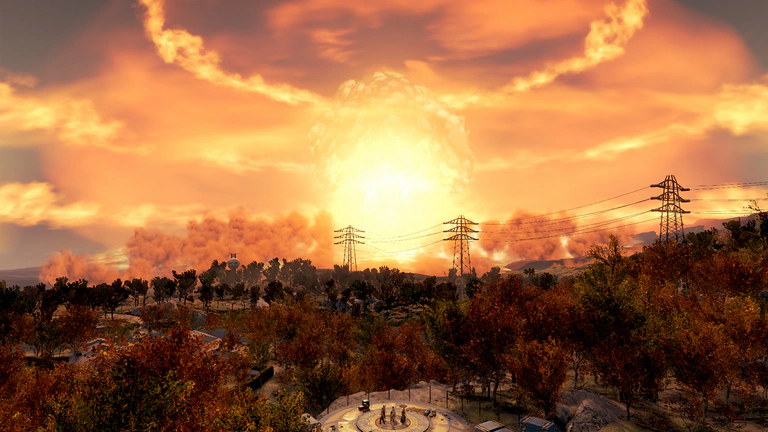
The amount of radiation and biochemical agents released during, before, and after the Great War led to major changes in the biosphere, causing new species of both flora and fauna to be created almost overnight. The impact of these species combined with the latent contaminants impacted where and when life could grow and heal.
Radiation
The amount of radiation and biochemical agents released during, before, and after the Great War has led to major changes in the biosphere, on top of the devastating climate changes that followed in the wake of civilization's march to nuclear devastation. Its presence has induced widespread mutations in flora and fauna, leading to the emergence of giant versions of regular species. The radiation-induced mutation is behind many of the staples of post-War United States, such as radscorpions, geckos, spore plants, and brahmin. Another example is the mirelurks of New England, which originated from the region's widespread environmental pollution and devastation. Humans were not universally immune to such developments.

Some humans may also become mutated by radioactive exposure. Although most will die after exposure, a combination of factors can cause them to become ghouls, humans who resemble walking corpses and have extended lifespans. Humans can also be born with inherent radiation resistance, if not immunity. They are immune to the negative effects of radiation. A majority of ghouls are little more than shambling corpses, while a minority retain their faculties. Ghouls have a chance to become a glowing one or a glowing feral due to the accumulation of radioactive poisoning, subsequently emitting radiation and lacking body heat. Most mutated lifeforms are similarly immune to radiation but may become "glowing" by accumulating exposure, with a distinct green glow accompanying them, together with a radioactive "cloak" that poisons their surroundings.
During the early 22nd century, mutations were widespread amongst human survivors in Appalachia, with various types of mutations caused by radiation there. These mutations resulted in various effects, however many of the mutations were not permanent and could be treated with radiation medicines. Other mutations affecting various wildlife and creatures in Appalachia are less well documented, and whether they could affect humans is unclear.
Mutation serums
Developed by the Enclave within the Whitespring bunker, mutation serums are capable of mutating a person in a controlled manner. Nineteen serums are known to exist, with various effects such as increased jump height or the growth of talons. An individual can be affected by multiple serums at the same time. Rad-X suppresses these effects.
In the post-Reclamation Day period, the same nineteen beneficial mutations manifest spontaneously among the population of Appalachia when exposed to radiation.
Biology and genesis
Mutated animals appeared quickly in the wake of the Great War due to the abundance of radiation in the ecosystem, as well as the prevalence of airborne or environmental FEV in some regions. Other thriving wild species were designed by genetic experimentation. The War also saw the escape of experimental animals which may have appeared normal but were genetically altered, potentially leading to unforeseen complications. These various creatures have coalesced (along with mutated flora) into post-War ecosystems which are poorly understood.
Further complicating this, by the late twenty-third century, the Institute began releasing synthetic bionic animals into the wasteland. Additionally, some unfortunate human-derived creatures such as centaurs, tunnelers, Grafton Monsters, and snallygasters have been twisted into feral beings through natural selection or unnatural experimentation, and now prowl the ruins as beasts.
Most animals appear to have infected, irritated skin. One particularly common manifestation of mutation is an additional head. Vestigial appendages are also common. Mutated animals are generally able to reproduce, so their cells are capable of meiosis. Therefor, either they do not have the quad-helix DNA typical of super mutants, or non-human FEV mutants are capable of a reproductive cellular process which has never been observed among their post-human counterparts.
The Master absorbed animals into his physical being during his transformation, and created his own bizarre centaurs by melding human flesh with that of dogs, creating multi-headed feral abominations. Super mutants sometimes treat these creatures as pets and use them for tracking. They also train mutant hounds, which may be the result of individual dogs who have undergone a transformation similar to the super mutants themselves. (Incidentally, super mutants have also been known to train standard domestic dogs.)
Anthropology
Some post-War people groups form intense spiritual or symbiotic bonds with certain mutant creatures. The mole miners came to live with mole rats in large underground colonies. The Vipers perform rituals with snakes which define their cultural identity. The Cult of the Mothman worship mutant moths who resemble their mythical benefactor.
Scientific organizations like the Enclave may be interested in capturing, understanding, and exploiting the fauna of the wasteland. Conversely, some tribal peoples like the Dead Horses take an active role in observing, protecting, and individually caring for the wildlife of their respective regions.
Some animals exhibit the ability to mimic human speech, generally without comprehension. Deathclaws are known to meaninglessly imitate human sounds to attract and manipulate humans. One particular group of experimentally altered deathclaws living in Vault 13 exhibited sapience and varying levels of linguistic, social, and abstract comprehension. Their descendants may still roam the wastes. Additionally, in Fallout Tactics, some of the hairy deathclaws of the Chicago area exhibit speech and the capacity to operate equipment.
Sources
Adapted from the original article, under CC BY-SA 3.0.