Lore
Vacuum tube
A vacuum tube is a device that controls electric current flow in a high vacuum…
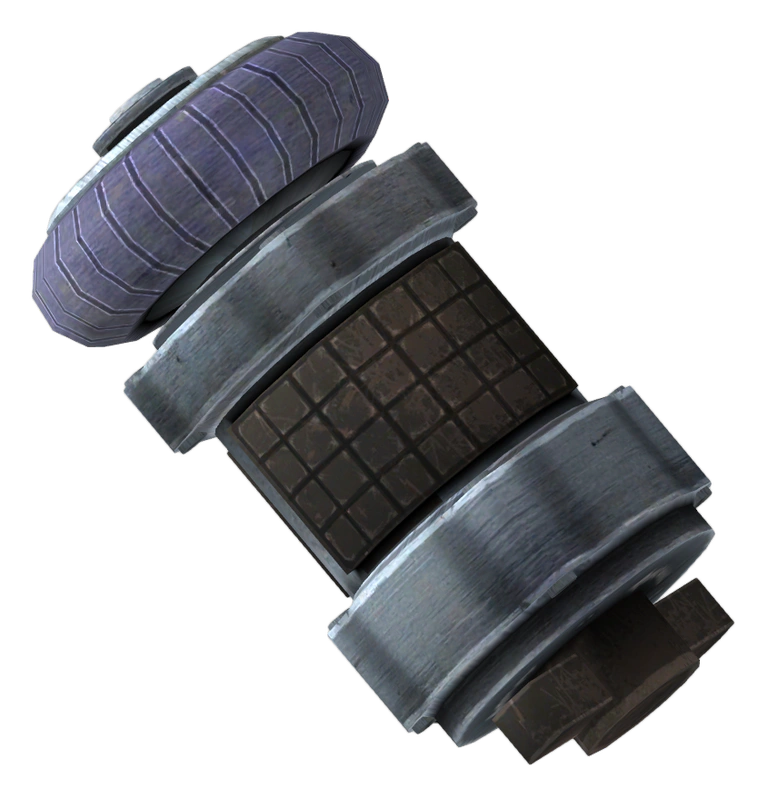
A vacuum tube is a device that controls electric current flow in a high vacuum between electrodes. First invented in 1904, the vacuum tubes formed the base of electronics through the first half of the 20th century, before being replaced by transistor-based solid state electronics.
In the Fallout series, due to the divergence, vacuum tubes continued to be the dominant building blocks of modern electronics, with transistors few and far in between. In fact, the term "chip" typically (but not always) refers to processing units using vacuum tubes, such as the water chip.
Background
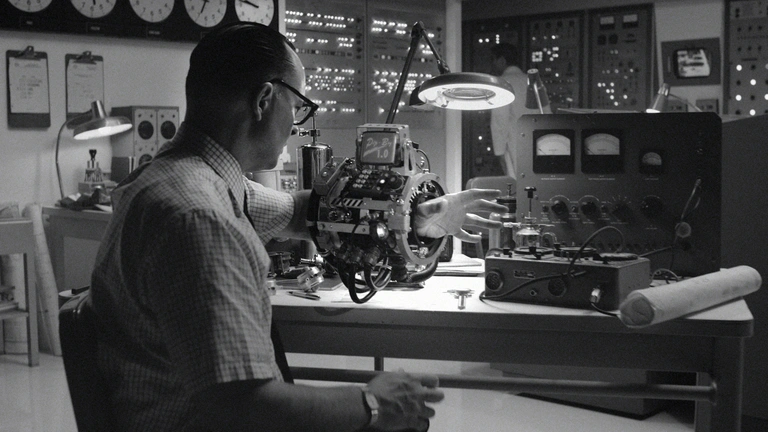
Whether it was the delayed invention of the transistor,, or another reason vacuum tubes formed the basis of modern electronics before the Great War, giving them a distinct look and resilience against electromagnetic pulses. Advances in technology continued to be made, and the cutting-edge model was a quantum vacuum tube (available since at least 2074), giving mainframes unparalleled computing ability by combining them with conventional tubes. By 2077, the most advanced technologies made use of both vacuum tubes and integrated circuits, in particular robots.
After the Great War, chips became a popular trade good, though it's situational: Chips that require specialize equipment to work might be considered worthless junk if said equipment is not readily available. They would commonly be scrapped to provide replacement parts for other systems.
Usage
Some common examples of tubes in use include the various radio devices, holotape players, communications, and alarms, among others. Industrial devices also used tubes: Excavator chips controlled high-efficiency mining machines that automated extraction of raw materials far ahead of anything a human could achieve. The control chips were far less durable than the machines they controlled.
They weren't used exclusively for computing: Cathode-ray tube displays were the de facto standard, and Nixie tubes, a specialized variant, were also used for displaying numbers and decorative purposes.
The Pip-Boy series of personal information processors from RobCo use highly sophisticated vacuum tubes, from the original Pip-Boy 1.0 to the miniaturized, more advanced models like the 2000 and 3000 series. Likewise, peripherals also made use of vacuum tubes for procesing.
Vault-Tec Corporation used vacuum tube-based devices extensively while building the Vaults. However, to cut costs, they were made by the lowest bidder and prone to failure. This was especially problematic when a water chip broke down, as it frequently did. Other chips produced by Vault-Tec were voice recognition modules, sophisticated machinery capable of real-time voice recognition and control.
The latest models of quantum tubes were used in Vault-Tec mainframes, for example, at Vault 96 to conduct rapid genetic experiments and simulations. 125 quantum tubes were linked in arrays with 54,000 conventional ones, at a 432:1 ratio, giving it incredible computing power.
In 2296, while attempting to repair their water chip, residents of Vault 33 studied and drew diagrams of vacuum tubes.
Poseidon Oil was an example of mixing transistors and tubes: The navigation computer module combined integrated circuits with tubes, and enabled completely automated sailing for even the most ancient of vessels.
Robots commonly used a mix of integrated transistors and vacuum tubes. Allegedly, screwing in a vacuum tube the wrong way could cause them to malfunction.
The USSA and branches of the United States Armed Forces made heavy use of vacuum tubes, including in experimental technologies. Examples include the Valiant-1 space station, where they formed the backbone of a sophisticated communications array, and the ATLAS Program.

Sources
Adapted from the original article, under CC BY-SA 3.0.