Group
Brotherhood of Steel (Lost Hills)
Brotherhood chapter
The Lost Hills chapter of the Brotherhood of Steel (named after their headquarters) is one of the earliest and oldest chapters in its history, typically regarded by subsequent generations of the Brotherhood as the foundational chapter due to its direct formation shortly after the Great War by renegade US Army Captain Roger Maxson, the organization's first general/high elder beginning in 2082. Members of the organization have appeared in multiple entries of the Fallout series.
The Mariposa rebellion
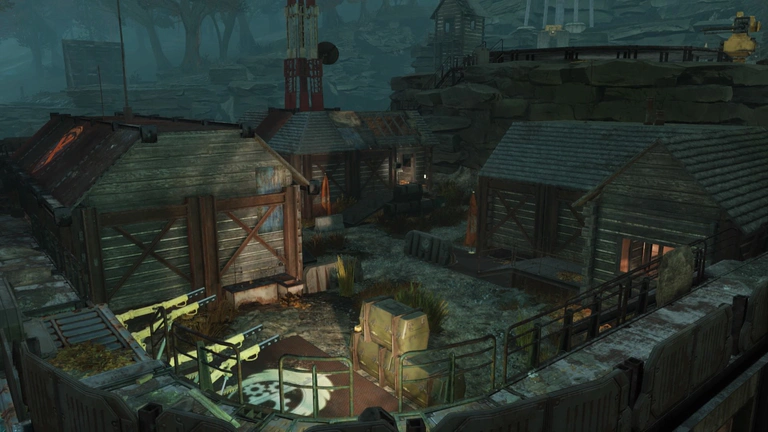
In 2076, the NBC division of West Tek achieved breakthrough results in the Pan-Immunity Virion Project. The United States Defense Department, fearing international espionage, moved a military team under the command of Colonel Robert Spindel and Captain Roger Maxson onto the site to secure and oversee the project, now dubbed the FEV (Forced Evolutionary Virus) project. On January 7, 2077, all FEV research was moved to the newly constructed Mariposa Military Base to commence testing of the virus on human subjects. The security team was transferred to the newly constructed base as well, to provide protection for the research going on within the facility. They were not informed of the nature of the research.
The situation unraveled shortly before October 10, 2077. The soldiers stationed at Mariposa discovered the fact that the scientists under their care were performing experiments with the Forced Evolutionary Virus on military prisoners. The revelation prompted a nervous breakdown in Colonel Spindel, who locked himself in his office. Captain Maxson was the only officer left to handle the deteriorating situation. Soldiers were screaming for blood and the whole situation was at risk of devolving into a bloodbath. On October 12, when Maxson had to step in to prevent one of his subordinates from killing a member of the science team, he ordered interrogations of the science team under his authority as acting commander. He hoped to prevent a full mutiny by offering his troops a semblance of justice.
The first scientist was brought before Maxson a day later, on October 13. Chief Researcher Robert Anderson explained that human experiments at the facility were sanctioned by the government. He outlined the program to the captain, emphasizing the fact that it was the government that ordered it. When Maxson refused to believe him, the scientist lost his nerve and started screaming how he was just following orders and that he was a military man just like Maxson. The captain shot him in response. He rationalized it as trying to prevent a full-scale mutiny, but even he did not believe it.
The killing of Robert Anderson effectively established Maxson as the leader of the rebellion. His position was further reinforced just two days later on October 15, when he attempted to speak to Colonel Spindel through the door of his office. It soon became clear that the colonel had lost touch with reality, so Maxson and several of his men broke down the door just in time to hear the colonel apologize and shoot himself. Subsequent scientist interrogations invariably ended in executions. Erin Shellman held out the longest by October 18, finally convincing the captain that the experiments were really ordered by the government with her detailed account. On October 20, 2077, Captain Maxson declared his unit in full secession from the United States over the radio, attempting to force the government to respond to the situation at Mariposa. No response came. A day later, he ordered the families of soldiers under his command to take shelter within the facility.
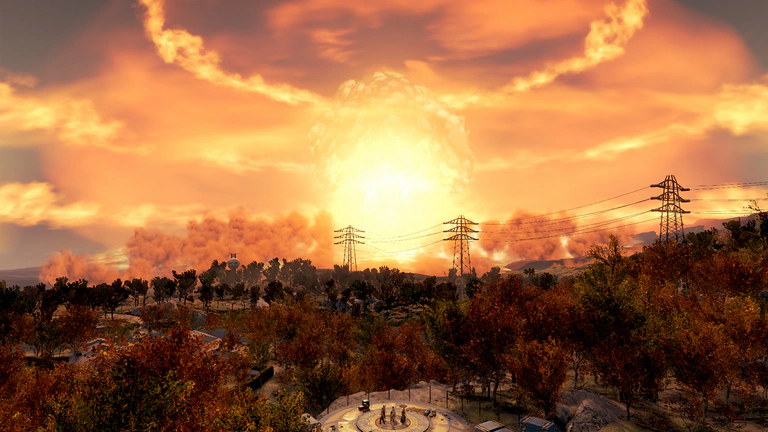
On October 23, 2077, the Great War struck. As Maxson was halfway through prying the story from Head Researcher Leon Von Felden, the facility lost contact with the outside world as nuclear weapons started to drop. Spared the nuclear devastation, Mariposa protected the inhabitants from nuclear fallout flooding the wasteland. Fearing that China would soon make up for the oversight, on October 24, Maxson ordered his soldiers and their families to prepare to vacate the base the next day.
On October 25, Sergeant Platner volunteered to take atmospheric readings outside the base. Reporting no significant amounts of radiation in the atmosphere, final preparations for the Exodus were undertaken. On October 26, Maxson ordered the remains of the scientists to be buried in the wastes outside the base. A day later, on October 27, former US servicemen and their families left the base under the lead of Captain Roger Maxson, heading for the Lost Hills government bunker in the south.
The Exodus
In November, a few weeks later, war refugees arrived at the bunker. The people suffered casualties along the way, as while the soldiers were protected by T-51 power armor, their families had no armor to speak of. Marauders that attacked the caravan quickly learned to target the unprotected civilians. Though the attackers paid with two lives for every one they took, many were lost, including Roger Maxson's wife but not his teenage son.
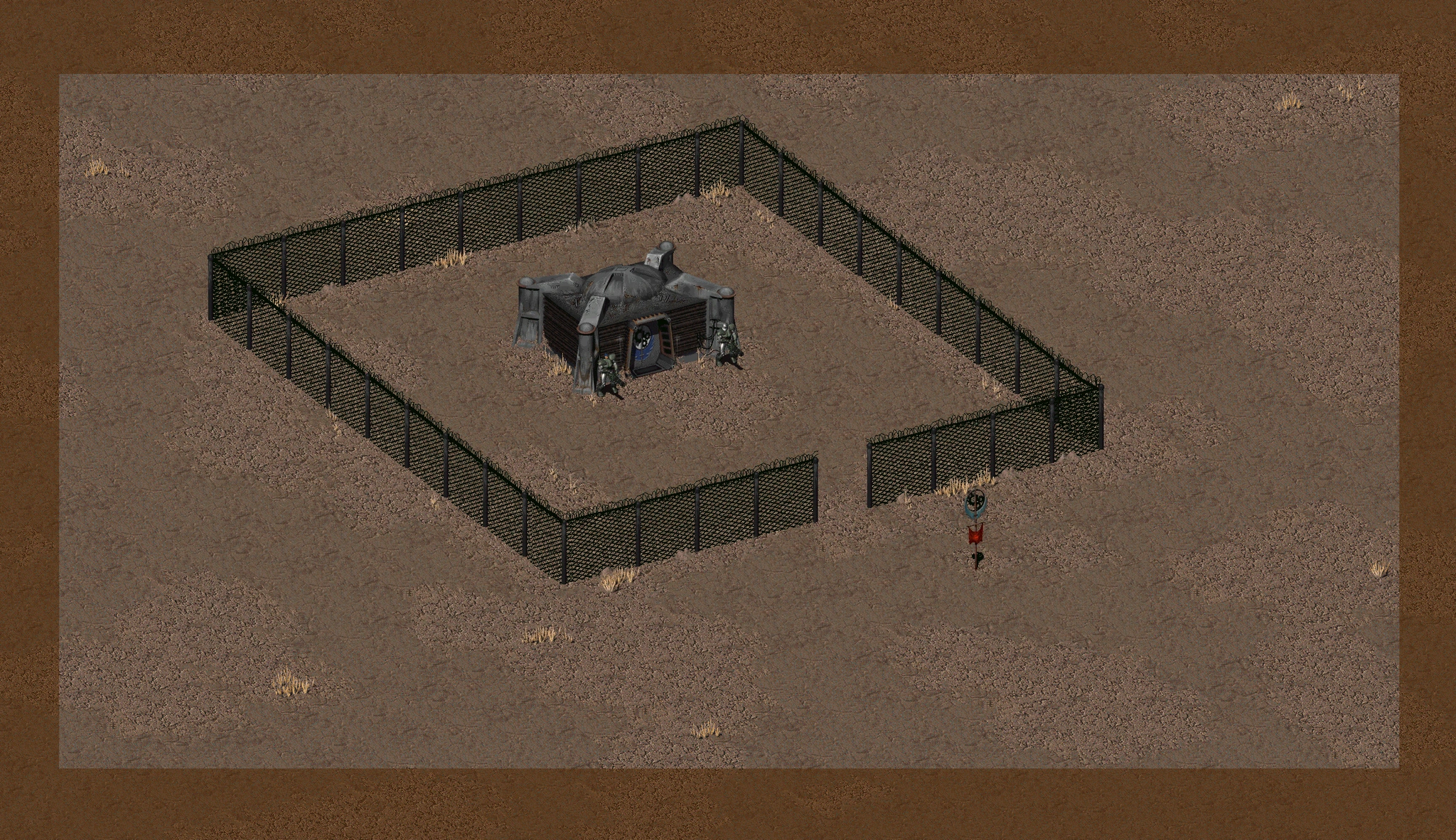
Several soldiers broke off during the Exodus as well, led by Sergeant Dennis Allen. Ignoring warnings from Captain Maxson and defying the group's will, Allen's faction separated from the convoy in order to excavate the remains of the West Tek Research Facility using their power armor. They were never heard from again. Around 2151, the Brotherhood sent out knights to seek out Allen's group or its remains. All they found were desolate ruins.
The Exodus survivors claimed the Lost Hills bunker as their own. The refugees expanded and adapted it to fit their own needs, becoming a bastion of technology in a world that has lost centuries of technological development overnight.
Foundation of the Brotherhood and expansion in Appalachia (Fallout 76)
Using surviving satellite connections, Maxson reached out across the continent, broadcasting a request for contact. By chance, Maxson found an old friend in Appalachia, Lieutenant Elizabeth Taggerdy of the US Army Rangers. Although initially hesitant to trust him, due to the public declaration of secession, she gambled and left the channel open. As Maxson revealed the depth of atrocities perpetrated by the United States government, Taggerdy's faith in the system was shaken, then dismantled. Following the winter spent at Camp Venture, she joined Maxson's banner.

Witnessing how people around him slowly succumbed to depression, Captain Maxson formulated a new ideology for the survivors. It took him years to create it, replacing the tarnished Stars and Stripes with new symbols, new ranks, and new ideas to replace the ones scorched in nuclear fire. They would provide meaning for people before they became lost in the depths of despair after losing their friends, family, and their entire world. Although some under his command, particularly Lieutenant Taggerdy, were skeptical of his plans, Maxson believed that the way forward lay in new traditions and a new mythology, free of the burden of the past. He also believed that it would prevent any surviving politicians from exercising their authority over former American soldiers, especially those with an agenda that involved burning Americans on the funeral pyre of the regime. By June 20, 2082, all members under his command switched over to using Brotherhood ranks and practices.
The Brotherhood kept growing in New California, welcoming into its ranks a National Guard unit that was formerly stationed near Mariposa. They acquired several bunkers and sent expeditions as far as the Mojave Wasteland, gathering intelligence and new recruits. As the Brotherhood in New California developed, so did its sister organization in Appalachia under Paladin Taggerdy. Although she showed a bias towards candidates with a military background while building up the ranks, she eventually understood Roger Maxson's vision and continued to expand and develop the organization using Camp Venture as a training outpost. Despite initial resistance to the new rank system by the rest in her outfit, the new ideas offered by Maxson eventually took root and were accepted.
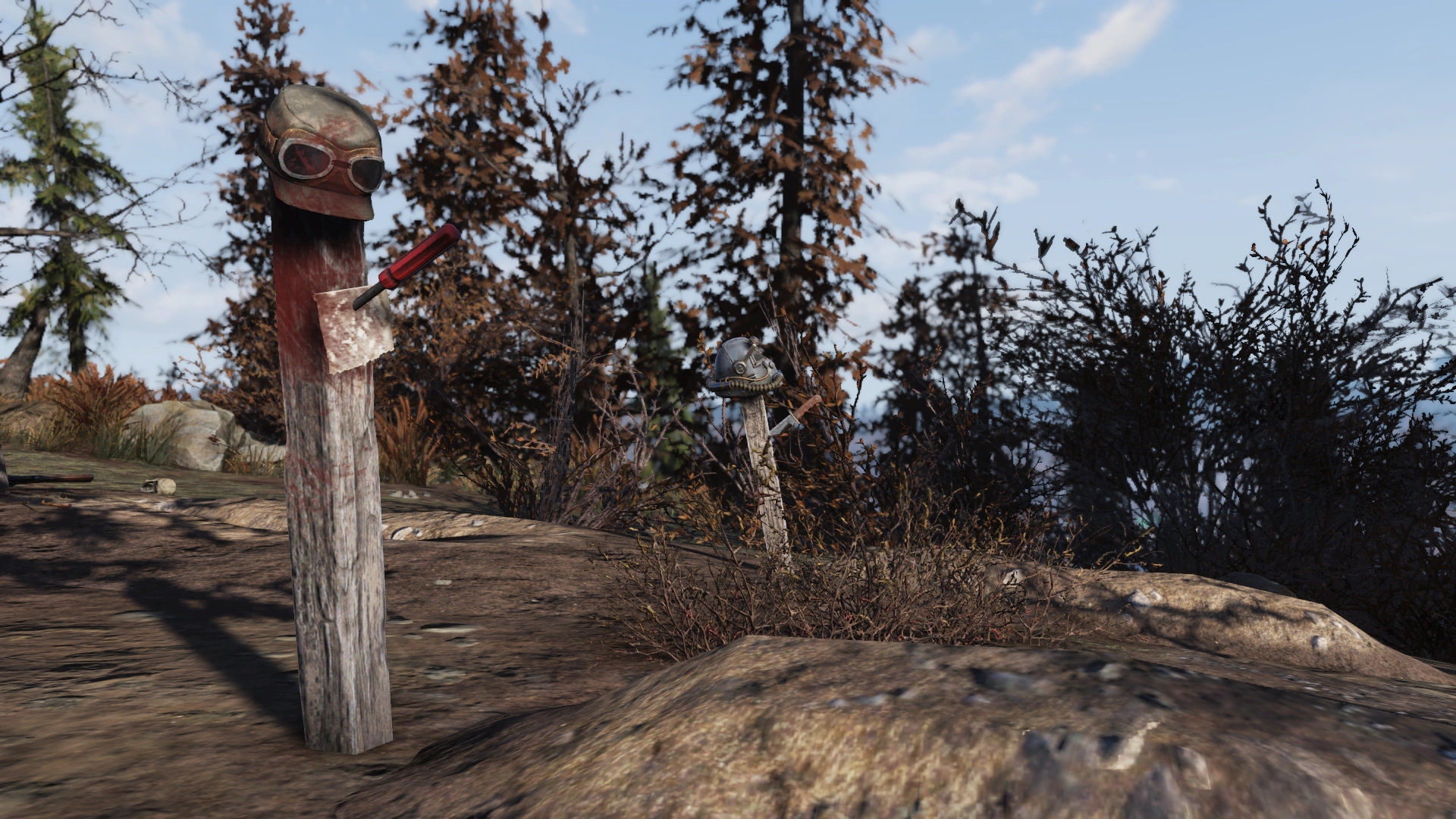
In Appalachia, the Brotherhood's insistence on acquiring munitions for their fighting against mutants led to ruffled feathers, especially with the Responders prior to the Christmas Flood in December 2082. However, they eventually found a common tongue, standing together during the Battle of Huntersville against super mutants in May 2086. Although the Brotherhood sustained losses, it prevailed. This coincided with the announcement of a new mandate by Roger Maxson at Lost Hills: to gather, record, and save the collective knowledge of mankind for future generations, to act as a catalyst for the rebirth of civilization in time. Some in Appalachia responded to this new policy with enthusiasm, others with grudging acceptance, and yet others, like Hank Madigan, left the Brotherhood to join the Responders.
The new mission quickly took a backseat, however, as the Appalachian Brotherhood encountered the scorchbeasts and the Scorched in the Cranberry Bog. Conferring with Maxson's ace researcher at Lost Hills, Scribe Hailey Takano, the Brotherhood in Appalachia quickly calculated that the scorchbeasts represented a potential extinction event for humanity. Lost Hills supplied a number of designs and weapon schematics to help stem the tide, including a sonic generator and an automated research program. Taggerdy pleaded with Maxson to grant her team permission to use nuclear weapons against the scorchbeasts but was forbidden by him because he found the concept of using nuclear weapons, even to help fight the scorchbeasts, to be too morally abhorrent after their world was destroyed by nukes.
By the 2090s, communication between Lost Hills and Appalachia was on steady decline due to failing Old World communication infrastructure. Before being cut off, Maxson ordered Taggerdy to hold the tide, and proscribed the use of nuclear weapons. Eventually, the communications failed entirely, separating Lost Hills from Appalachia. The chapter in Appalachia fought on, trying to destroy the scorchbeasts through attrition, but by 2093, their numbers dwindled to the point where they were forced to close down Camp Venture, their first base, and focus their remaining forces at Fort Defiance and Thunder Mountain Power Plant. Declining support from the Responders and the constant fighting just to stem the tide of the Scorched and their masters took their toll, preventing the Brotherhood from completing the automated research program at Vault-Tec University, supplied to them by Takano.
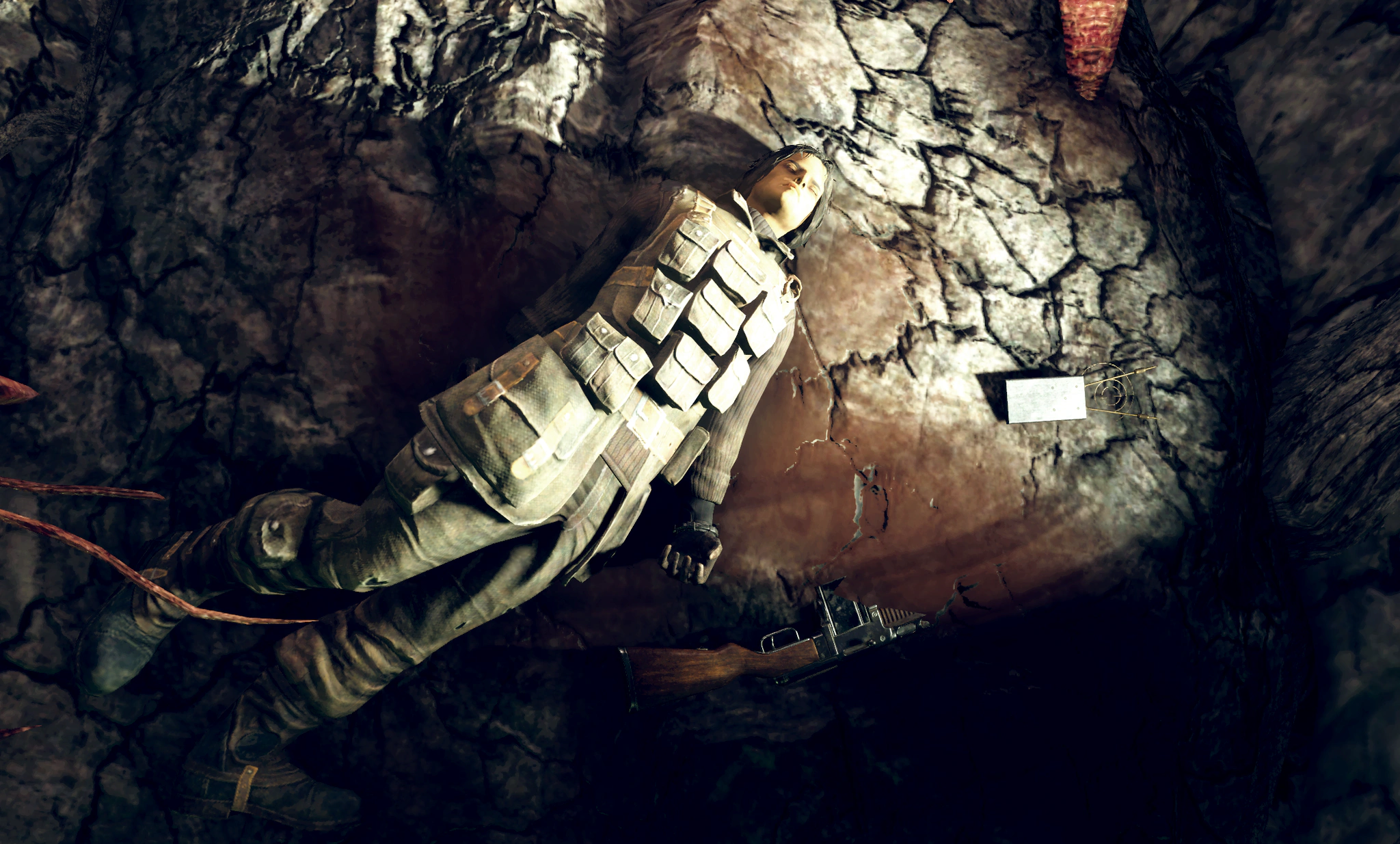
Eventually, the Brotherhood launched Operation Touchdown. This last ditch effort was launched in January 2095 and briefly stemmed the tide at the cost of the entire strike force, which included Knight Moreno and Paladin Taggerdy. Ultimately, the Brotherhood in Appalachia was wiped out in their last stand at Fort Defiance and Thunder Mountain on August 18-19, 2095, marking the end of the original Brotherhood in Appalachia with Vernon Dodge as the only survivor.
Reinforcements arrive in Appalachia (Fallout 76)
However, by 2103, a small group of reinforcements arrived on their way from Lost Hills to examine various centers of technology across the country, expand the Brotherhood across the East Coast, and find out what happened to Taggerdy. Known as the Brotherhood First Expeditionary Force, they were led by Leila Rahmani and Daniel Shin and were to set up base in Fort Atlas in Appalachia. The team also had a scribe named Odessa Valdez. While Maxson's motive was sincere, wishing to find out what happened to his friend Taggerdy, Rahmani became certain the Council of Elders had an ulterior motive: to remove her influence and meddling as she would often argue over their ways.

Along their hike across the country, the expedition found a town under threat by raiders. Wanting to assist them, Rahmani and Shin agreed to providing the townsfolk with weapons to help defend them. Unfortunately, the raiders were able to steal the guns and kill the townsfolk. During the assault, the Brotherhood lost one of their valued members, Alan Connors, and obtained two young refugee siblings who lost their parents, Marcia and Maximo Leone. This incident would set off a division between Rahmani and Shin, with Shin wanting himself and Rahmani to stand trial with the Council of Elders.

Upon arriving in Appalachia, the group was dismayed to discover that Taggerdy's Brotherhood was wiped out by the scorchbeasts, with Vernon Dodge being the only known survivor. Rahmani decided that in order to establish the Brotherhood's presence in the region, the organization needed to cooperate with Appalachia's other factions, particularly the settlement of Foundation. Shin became skeptical of Rahmani's choices, particularly her desire to delay the re-establishment of contact with the elders in Lost Hills. Rahmani and Shin dealt with numerous conflicts including trying to assist the Retreat from a cruel woman named Dagger, negotiating with Meg Groberg's raiders, trying to reclaim property taken by Foundation, and investigating a missing caravan.
During a mission to explore an Enclave research facility, Rahmani, feeling that the elders from Lost Hills were a hindrance in her ideals of establishing the Brotherhood as a peacekeeping force, destroyed the radio transmitter, which infuriated Shin. As a result, there is no confirmation of the Brotherhood in Appalachia re-establishing contact with the Brotherhood in California, as well as their status post-2105. Despite the internal conflict between Rahmani and Shin, the Brotherhood was able to repel an uprise of super mutants. They also stopped a plan to infect the water cycle with FEV orchestrated by a driven scientist. However, it is also unclear if Rahmani remained the Appalachian Brotherhood's leader or if Shin usurped her.
The Brotherhood kept a degree of expansion and surveillance over the years, with members tightly patrolling Appalachia in order to ensure safety. For example, Nicole Gaines would investigate and erect Forward Station Tango. A mechanic working for Valdez, Del Lawson, worked to supply equipment for any Brotherhood field operations.
Conflict with the Vipers
In 2135, Roger Maxson died of cancer. Already a legendary figure to the Brotherhood, he was essentially deified as the Founder and Deliverer. His son, Maxson II, replaced him as the high elder, while his grandson, John Maxson, joined the paladin caste, showing great promise. Around 2141, the Brotherhood ceased admitting new members from the outside, relying solely on their natural growth for increasing their numbers.
The Brotherhood was a major power in the region at this point, firmly exercising their control on the lands surrounding their bunker and forming trade relations with the neighboring towns, especially the Hub. However, the focus on hard sciences gave in to the detriment of humanities, history in particular. This decline in soft sciences eventually led to some initiates of the youngest generations having no idea who Roger Maxson was. In 2150, they clashed with the newly reformed Vipers.Fallout Bible 6: "Defeat at the Hub in 2125: Their failed attempt to raid the Hub during the Hub's formative years, stopped almost solely by Angus, the founder of the Hub. Angus' defense caused the Vipers to retreat north, and they roamed the wastes for many, many years, occasionally attacking caravans and small settlements. Around the early 2150s, however, the Vipers had grown to their former strength from captured slaves and caravan drivers and had begun to establish a power base in the badlands to the North of the Hub (and south of the Lost Hills Bunker). Driven by a religious frenzy (and the need to provide for their much larger numbers of soldiers and disciples), they began raiding more frequently than before, attracting the attention of the Brotherhood of Steel. The Brotherhood sent out a few squads of scouts to track the raiders down - it was more of a training exercise conducted by John Maxson's father, as the Brotherhood was convinced that small detachment of troops in Power Armor would be sufficient to deal with a group of raiders, no matter how large. Near Extermination by the Brotherhood of Steel in 2155: One Brotherhood squad found the Vipers, and during the firefight, John Maxson's father (who was leading the squad) was killed with a poisoned arrow. The response from the Brotherhood was immediate. The Paladins, now led by Rhombus, began a full scale campaign against the Vipers, tracking them down and wiping out almost all of their members within the span of a month. A handful of Vipers were able to flee north and east into the mountain range, but they were never heard from again. During the campaign, the Brotherhood sent a few scouts and emissaries to the Hub to track down Vipers members, and from these beginnings, the Hub and the Brotherhood began full trade relations (caravans had delivered to the Brotherhood before, but not long after the destruction of the Vipers, caravan trains ran directly from the Hub to the Brotherhood on a regular basis). So some good did come out of the Vipers' presence in the wastes, for what it's worth." The battles intensified in subsequent years, culminating in the death of High Elder Maxson II in 2155. John Maxson's father expected the raiders to break formation and flee when faced with Brotherhood warriors clad in powered armor, but did not account for their religious ferocity. A poisoned arrow nicked him when his helmet was off, and he died within hours. John Maxson was promoted to the elder council, while Rhombus was tasked with conducting a campaign of extermination against the Vipers. The paladins tracked down and wiped out almost all of their members within the span of a month. A handful of Vipers were able to flee north and east into the mountain range; while small groups continued to exist and raid in New California, they never regained their full power. Both Rhombus and John Maxson would eventually ascend to leadership roles, with John Maxson becoming the high elder in 2159 and promoting Rhombus to the role of head paladin.
During the campaign, the Brotherhood sent a few scouts and emissaries to the Hub to track down Vipers members, and from these beginnings, the Hub and the Brotherhood began full trade relations. Caravans had delivered to the Brotherhood before, but not long after the destruction of the Vipers, caravan trains ran directly from the Hub to the Brotherhood on a regular basis. While the situation remained peaceful and prosperous, issues would develop between the Hub and the Brotherhood from time to time. In the late 2150s, the water merchants of the Hub attempted to barter a large quantity of water for a weapons stockpile. Although the Brotherhood turned down the offer, the merchants attempted to take the weapons regardless. The thieves were caught, but the Brotherhood elders voted down a retaliatory expedition.
The emergence of the Unity (Fallout)
In 2161, the Brotherhood discovered the presence of a new enemy. In October, a group of knights on a patrol in the badlands discovered a dead super mutant. After examining the creature, Head Scribe Vree determined that it was sterile, but also notes that there must have been a central location that created these mutants. The elder council, fearing a potential invasion, enacted several security decrees, including a moratorium on training new recruits until the threat passed.

The elders also sent out several scouts north and east into the badlands. Only one returned from the east, reporting an encounter with twenty super mutants, and none at all returned from the north. The council could not reach an agreement on how to act. Even as Hub merchant caravans started disappearing in the northern wastes, the elders refused to act until they were fully certain that there was an army massing in the northern mountains.
The impasse was broken by the arrival of the Vault Dweller. Having rescued a Brotherhood initiate from bandits in the Hub, the Vault Dweller visited the Brotherhood and accepted the mission to the Glow, to recover the disk belonging to Sergeant Dennis Allen to learn the fate of the splinter faction from the Mariposa Rebellion. The Vault Dweller surprised everyone by surviving and returning with the artifact. They became the first outsider to join the Brotherhood in nearly twenty years.
The Brotherhood shared what knowledge they had and some of their advanced technology with the Vault Dweller, allowing them to seek out the Master and destroy him in the Boneyard. Following the death of the super mutant leader, the Brotherhood further aided the Vault Dweller's quest, sending a team of crack assault paladins to storm Mariposa.
Apex of power, stagnation, and recovery (Fallout 2)
Following the destruction of the Unity, the Brotherhood aided other human settlements to drive the mutants away with minimal loss of life on both sides of the conflict. The Brotherhood remained out of the power structure for a time, becoming a major research and development house by reintroducing advanced technology into New California at a slow pace. The wise guidance of Rhombus arguably brought the Brotherhood to the zenith of its power. The Brotherhood had good relations with the developing New California Republic, to the point that one of the states of the federation was named after the founder of the Brotherhood: Maxson. However, Lost Hills was never incorporated into the NCR.

Over the years, the Brotherhood grew confident in its status as the sole source of advanced technology left to mankind, and allowed its prominence and influence to wane, growing stagnant. This stagnancy made them unable to deal with the technologically superior Enclave, when the Brotherhood learned of their existence circa 2240. In order to learn more about them, the Brotherhood reactivated a network of outposts in Northern California to observe Enclave activity. Thanks to their low profile, they achieved practical anonymity, even in the populous San Francisco.
The Brotherhood heads East (Fallout 3)
Once the Enclave was apparently destroyed by the Chosen One, the Brotherhood was without a foe to face. In an effort to end the stagnation, the Brotherhood expanded eastward (including the formation of the Mojave chapter under Elder Elijah) and sent out expeditions to recover technology, going as far as the Capital Wasteland in 2255, with the expedition under Senior Paladin Owyn Lyons. A secondary goal was to re-establish contact with other wayward Brotherhood chapters. One of John Maxson's descendants, Arthur Maxson, was sent on this expedition both to protect him from internal conflict in the Western Brotherhood and as a means of receiving training from Lyons, who was then in favor with the Western elders.
When the expedition reached Washington, D.C. and discovered Liberty Prime underneath the former Pentagon, they received an order from the Western Brotherhood to establish themselves as a permanent Brotherhood chapter and collect any other technology they discovered in the east. However, the Brotherhood later discovered the existence of the super mutants in the region. Facing this crisis, Elder Lyons rededicated the Brotherhood to the protection of the wastelander population using their technology rather than simply collecting advanced technology. This shift in ideology left the Brotherhood elders to deem Lyon's detachment a rogue chapter, and cut off contact with them. This in turn spurred half of Lyons' forces to split off, branding themselves the Outcasts. They intended to continue their orginal mission, and in time move back west to regroup with the Western Brotherhood.
War with the NCR (Fallout: New Vegas)
However, fortunes for the founding chapter were dire. The center of technological research in the west had passed from the Brotherhood to the New California Republic, and there was little the Brotherhood could do about it. Despite having once been allies, tensions built over the years as the two disagreed on the handling of advanced technology. Ultimately, the situation deteriorated until war was declared.
Despite the advantages that their power armor and energy weapons would seem to grant them in battle, the NCR were able to whittle away the Brotherhood's forces through sheer numbers over time. The war with the NCR highlighted a key weakness in Brotherhood logistics: their isolationist policies meant they could not replace casualties in the same way the NCR could. The Western Brotherhood suffered heavy losses over the years, including many of its veteran personnel, who were replaced with new, relatively inexperienced ones. Likewise, the Brotherhood's focus on military technology caused them to ignore the utility of simpler technologies, such as the use of crop production to sustain themselves -- which would prevent them from being forced to trade weapons for food, as they had done previously. The Brotherhood lost at least four bunkers to the NCR, destroying them to prevent the technological bounties within from being lost to the enemy. Over time, the Brotherhood's tactics grew increasingly desperate and terroristic, including irradiating the NCR's gold reserves to disrupt their economy.
The nearby Mojave Brotherhood was also involved in this conflict, being driven underground by the NCR following Operation: Sunburst. Being on the soundly losing end of the war, the Brotherhood sheltered underground, hoping that they could one day simply outlive the NCR, a shadow of their former selves.
During this time, word of the Eastern Brotherhood's schism had also moved west. Not long after, Arthur Maxson became the youngest elder in history, and managed to unite the Lyons Brotherhood and the Outcasts, reforming the Eastern chapter. He also succeeded in regaining contact with Lost Hills, who gave the young elder their blessing and legitimacy.
Notable members
High Elder Roger Maxson (2077-2135)
High Elder Maxson II (2135-2155)
Paladin Farli
Paladin Patsy
Scribe Derek
Initiate Anthony
Initiate Brenden
Lara
Lorri's assistant
Ray
Unnamed renegade soldier
Brotherhood First Expeditionary Force (2103)
Circle of Steel
Generic & robots
Crack assault paladins
Brotherhood paladins
Brotherhood guards
Brotherhood supply guards
Brotherhood students
Sources
Adapted from the original article, under CC BY-SA 3.0.